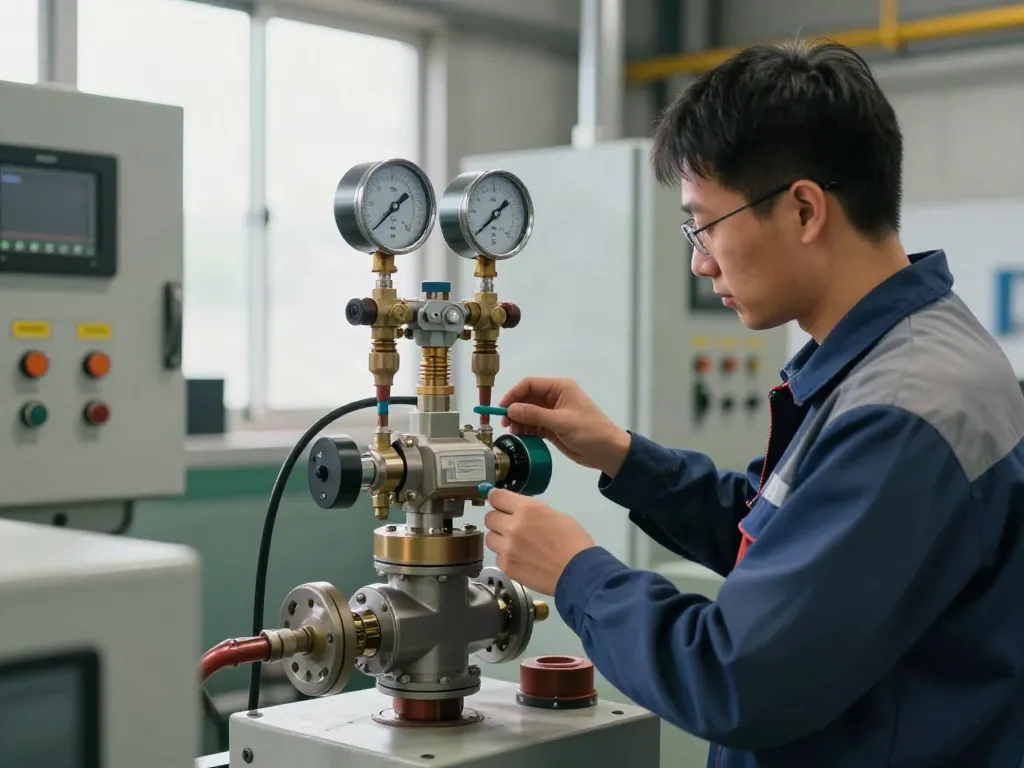
Understanding Mechanical Pressure Switches
Mechanical pressure switches are critical components in various industrial applications, ensuring precise pressure control and reliable system performance. These devices operate based on mechanical principles, utilizing a physical mechanism to detect and regulate pressure levels. As industries continue to evolve, the demand for high-quality pressure switch manufacturers, like LEFOO, increases to meet the stringent needs for accuracy and durability.
What is a Mechanical Pressure Switch?
A mechanical pressure switch is a device designed to activate or deactivate electrical circuits based on pressure changes within a system. It typically consists of a diaphragm or piston that moves in response to pressure fluctuations. When a set pressure point is reached, the switch closes or opens a circuit, enabling or disabling equipment as required. This simple yet effective mechanism is essential in various applications, including HVAC systems, hydraulic machinery, and compressors.
Key Features of Mechanical Pressure Switches
- Durability: LEFOO's mechanical pressure switches are constructed from robust stainless steel, offering excellent resistance to corrosion, moisture, and dust, making them ideal for harsh industrial environments.
- Accuracy: These switches are designed for reliable, repeatable set point accuracy, ensuring consistent system control.
- Ease of Installation: Featuring a drop-in installation design, these switches can be set up quickly without specialized tools, reducing downtime during equipment installation.
- Tool-less Calibration: Most models come with external adjustment screws and clear visual scales, allowing for straightforward field calibration.
Applications in Various Industries
Mechanical pressure switches are employed across a wide range of industries, including:
- HVAC: Used to monitor and control air pressure in heating, ventilation, and air conditioning systems.
- Hydraulics: Essential for maintaining pressure levels in hydraulic systems, ensuring operational efficiency.
- Compressors: Used to control the operations of air compressors by managing pressure settings.
- Manufacturing: Applied in various machinery to automate processes based on pressure conditions.
The Benefits of Choosing Reliable Pressure Switch Manufacturers
Partnering with a reputable pressure switch manufacturer ensures that businesses receive high-quality products that meet industrial standards. Reliable manufacturers focus on quality assurance, offering durable and efficient devices that contribute to operational success.
Quality Assurance and Durability
Quality assurance is paramount in manufacturing mechanical pressure switches. Leading manufacturers implement rigorous testing protocols to ensure their products can withstand operational stresses and environmental challenges. For instance, LEFOO's pressure switches are rated for millions of cycles, promising a long service life under normal operating conditions. By investing in quality switches, industries can reduce maintenance costs and increase overall efficiency.
Cost-Effectiveness and Long-Term Reliability
While the initial cost of mechanical pressure switches may vary, the long-term savings from reduced maintenance and increased reliability make them a cost-effective choice. When selecting a manufacturer, it's essential to consider the total cost of ownership, which includes purchase price, installation costs, and potential maintenance expenses. Reliable switches, such as those from LEFOO, offer low total ownership costs thanks to their robust design and easy installation.
Customization Options for Specific Needs
Different industries have unique requirements, and quality pressure switch manufacturers often provide customization options to meet specific application needs. From varying pressure ranges to different electrical connection types, having the ability to tailor a pressure switch enhances its effectiveness within particular systems. This flexibility is crucial in industries where precise pressure control is essential for safety and efficiency.
Common Challenges in Selecting a Pressure Switch Manufacturer
Choosing the right pressure switch manufacturer can be challenging due to the wide range of options available in the market. Understanding key factors can aid companies in making an informed decision.
Understanding Certifications and Compliance
It is vital for manufacturers to comply with industry standards and regulations. Certifications such as ISO 9001:2015 signify that a manufacturer adheres to quality management systems, which can reflect the reliability of their products. It's essential to verify that the chosen manufacturer holds the relevant certifications required for your industry.
Evaluating Industry Reputation and Experience
Reputation and experience are crucial in determining a manufacturer’s capability. Companies should research potential manufacturers, looking for customer reviews, case studies, and references. A manufacturer with a strong track record and extensive experience in supplying mechanical pressure switches to your specific industry will likely provide better support and insights.
Comparing Features and Pricing Structures
When assessing various pressure switch manufacturers, it is important to compare their offerings in terms of features and pricing structures. Not only should you consider the upfront costs, but also the long-term value and performance of the switches. Manufacturers that offer a wider range of features may justify higher prices with added benefits, such as enhanced durability or advanced calibration options.
Best Practices for Implementing Mechanical Pressure Switches
To maximize the effectiveness of mechanical pressure switches, following best practices during installation, maintenance, and calibration is crucial.
Installation Tips for Optimal Performance
- Choose the Right Location: Ensure that the switch is installed in a location where it is protected from extreme conditions and easily accessible for maintenance.
- Follow Manufacturer Guidelines: Always adhere to the manufacturer's instructions regarding installation procedures and electrical connections.
- Check for Leaks: Conduct a thorough inspection for leaks after installation to ensure system integrity.
Maintenance Guidelines for Long Service Life
Regular maintenance is essential to prolong the lifespan of mechanical pressure switches. This includes periodic inspections, cleaning to remove dust and debris, and testing to ensure switches operate correctly. Establishing a maintenance schedule based on the operational environment can significantly enhance durability.
Calibration Techniques for Accuracy
Proper calibration is crucial for maintaining the accuracy of mechanical pressure switches. Most models come with external adjustment screws, allowing quick tuning in the field. Regular calibration checks, especially after significant changes in operational conditions, will help ensure that the switches remain accurate and reliable.
Future Trends in Mechanical Pressure Switching Technology
The landscape for mechanical pressure switches is continuously evolving, driven by advances in technology, user needs, and industrial demands.
Innovations Shaping the Industry in 2026
As we move towards 2026, the mechanical pressure switch industry is witnessing numerous innovations. Manufacturers are increasingly integrating advanced materials and smart technologies into their designs, enhancing performance and reliability.
Integration with IoT and Smart Systems
The Internet of Things (IoT) is reshaping how pressure switches function within industrial automation. Smart mechanical pressure switches equipped with wireless connectivity are enabling real-time monitoring and data analytics, providing businesses with deeper insights into their operations.
Predictions for Market Growth and Development
The demand for mechanical pressure switches is expected to grow as industries embrace automation and the need for enhanced control systems. Manufacturers who adapt to these changes and offer innovative products will likely lead the market, catering to the evolving needs of their clients.
Frequently Asked Questions
What industries use mechanical pressure switches?
Mechanical pressure switches are utilized across various industries, including HVAC, hydraulics, manufacturing, and automotive applications. Their versatility makes them suitable for numerous scenarios where pressure monitoring and control are critical.
How do I choose the right pressure switch manufacturer?
When selecting a pressure switch manufacturer, consider their industry reputation, product quality, customization options, and compliance with industry regulations. Researching customer reviews and requesting samples for testing can also help in your decision-making process.
What are the advantages of mechanical pressure switches?
Mechanical pressure switches offer several advantages, including simplicity of design, reliability, low maintenance costs, and the ability to operate in harsh environments. These switches are often more cost-effective than their electronic counterparts while offering robust performance.
How to calibrate a mechanical pressure switch?
Calibration of a mechanical pressure switch typically involves adjusting the external screws to set the desired pressure points. Follow the manufacturer's guidelines for specific calibration procedures and ensure regular checks to maintain accuracy.
What safety features should I look for in pressure switches?
When evaluating pressure switches, look for features such as fail-safe options, IP ratings for environmental protection, and certifications that ensure compliance with safety standards. These features are crucial in preventing malfunctions and ensuring reliable operation in demanding conditions.