Understanding GPR Technology and Its Applications
Ground Penetrating Radar (GPR) technology has transformed the landscape of subsurface investigations, making it a vital tool across various industries such as construction, archaeology, and environmental studies. By employing radar pulses, GPR surveys enable professionals to detect and map underground utilities and structures without invasive digging. This non-destructive method not only saves time and resources but also enhances safety by identifying potential hazards. In London, where dense urban environments can complicate projects, GPR Survey London has emerged as an essential service for developers and contractors alike.
What is Ground Penetrating Radar?
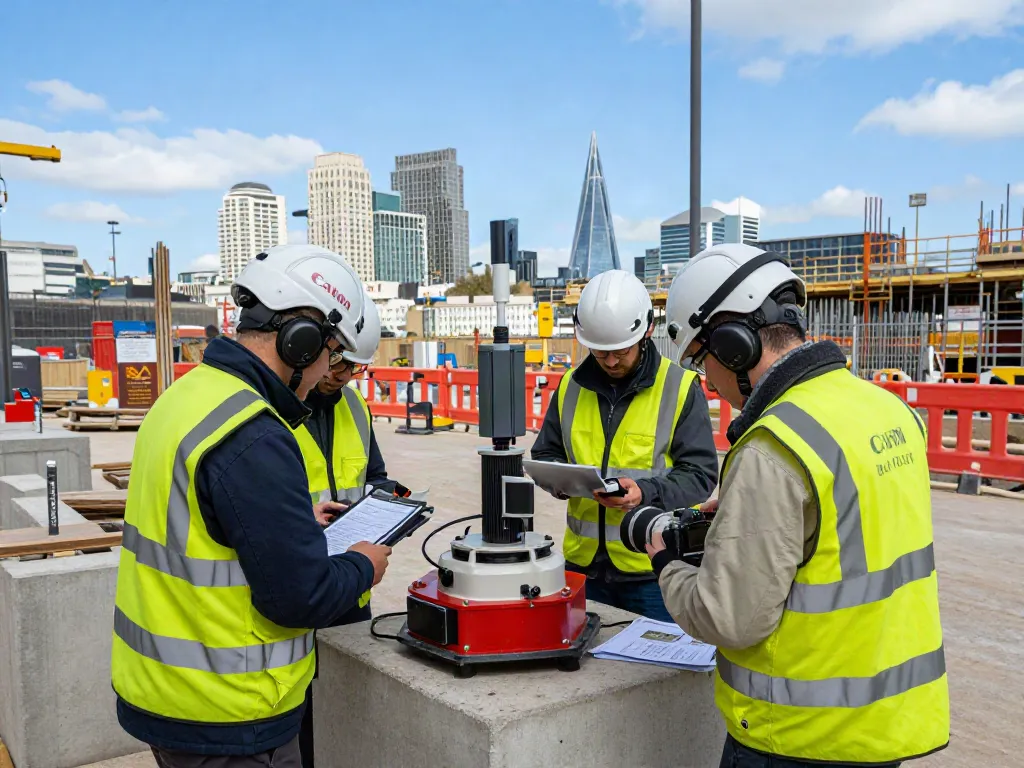
Ground Penetrating Radar is a geophysical method that uses radar pulses to image the subsurface features. A GPR system consists of a transmitter, which sends radar waves into the ground, and a receiver, which captures the reflected signals. The data is then interpreted to create images of underground structures, such as utilities, voids, and archaeological features. The technology operates on the principle that different materials reflect radar waves differently, allowing surveyors to distinguish between various subsurface objects.
Key Benefits of GPR Surveys in Construction
In the construction industry, GPR surveys provide several advantages:
- Non-invasive: GPR allows for the detection of underground features without the need for excavation, minimising disruption and preserving the site’s integrity.
- Cost-effective: By revealing the layout of utilities and structures beforehand, GPR can significantly reduce unexpected costs associated with damage repair during construction.
- Time-saving: GPR surveys expedite the planning phases of projects, enabling quicker decision-making and workflow adjustments.
- Enhanced Safety: Identifying hidden utilities helps mitigate risks associated with accidental strikes, ensuring a safer working environment for construction crews.
Common Uses for GPR Survey London
GPR technology is commonly employed in various applications across London, including:
- Utility Mapping: Accurately identifying the location of underground utilities such as water, gas, and electricity lines.
- Concrete Scanning: Locating reinforcement bars, post-tension cables, and voids in concrete structures to inform renovation and repair efforts.
- Archaeological Investigations: Assisting archaeologists in locating buried features and artifacts without disturbing the site.
- Environmental Studies: Evaluating subsurface conditions in areas prone to contamination or flooding.
Choosing the Right GPR Survey Company
When seeking GPR survey services, choosing the right provider can significantly impact the success of your project. Several criteria should guide your selection process.
Criteria for Selecting a GPR Survey Provider
Consider the following factors when evaluating potential GPR survey companies:
- Experience: Look for firms with a proven track record in GPR surveys, particularly in urban settings like London.
- Accreditations: Ensure the company holds relevant certifications and adheres to industry standards for safety and quality.
- Equipment Quality: Assess the technology and equipment they utilise, as advanced GPR systems yield more accurate and detailed results.
- Client Testimonials: Review feedback from previous clients to gauge the provider’s reliability and service quality.
Evaluating Expertise in GPR Survey London
It’s essential to establish a company’s expertise in GPR surveys specific to London’s unique challenges. Factors such as urban density and historical infrastructure demand a thorough understanding of local conditions.
Questions to Ask Your GPR Surveyor
Before finalising your choice, consider asking the following questions:
- What methodologies do you employ for GPR surveys?
- How do you ensure data accuracy and integrity?
- Can you provide case studies or examples of previous projects?
- What are your safety protocols during surveys?
Cost Considerations for GPR Surveys
Understanding the costs associated with GPR surveys is crucial for budgeting purposes and ensuring value for your investment.
Understanding GPR Survey London Pricing Structures
Pricing for GPR surveys can vary based on several factors, including the complexity of the site, the size of the area to be surveyed, and the equipment required. Generally, costs are outlined per square metre or as a flat fee, depending on the project specifications.
Factors Influencing Survey Costs
Several elements can influence the overall cost of a GPR survey:
- Site Accessibility: Complicated or difficult-to-access areas may incur higher costs due to the additional time and resources required.
- Survey Depth: The deeper the survey needs to reach, the more sophisticated the equipment and expertise required, affecting the price.
- Utility Complexity: Sites with multiple overlapping utilities may demand more detailed scanning and analysis, increasing costs.
Budgeting for Comprehensive Utility Surveys
When budgeting for a GPR survey, it’s prudent to allocate additional funds for potential follow-up services, such as detailed reporting and analysis that can provide further insights into subsurface conditions.
Best Practices for Implementing GPR Surveys
To maximise the effectiveness of your GPR surveys, adhering to best practices during implementation is essential.
Preparing Your Site for a GPR Survey
Preparation involves clearing the site of debris and ensuring access for the survey team. This preparation helps facilitate a comprehensive survey and accurate results.
Safety Guidelines for Survey Teams
Ensuring safety during GPR surveys is paramount. Teams should adhere to strict safety protocols, including wearing appropriate protective gear and maintaining awareness of surrounding hazards.
Interpreting GPR Data Effectively
The final step in the survey process involves analysing and interpreting GPR data. Skilled professionals should be involved in this stage to ensure accurate assessment and to provide actionable insights for subsequent project stages.
Future Trends in GPR Technology
As technology advances, GPR is poised for significant evolution, offering even greater capabilities for surveying.
Innovative Developments in GPR Equipment
Future GPR systems are expected to feature enhanced imaging quality and faster data processing capabilities, allowing for more efficient surveys and immediate results.
Predicted Changes in GPR Survey Methods by 2026
The integration of AI and machine learning in GPR data interpretation may lead to more sophisticated analyses and predictive modelling, streamlining survey processes.
Staying Ahead in the GPR Survey London Market
To remain competitive in the GPR survey market, companies must continuously invest in training and technology, ensuring they are equipped to meet the demands of modern surveying projects.