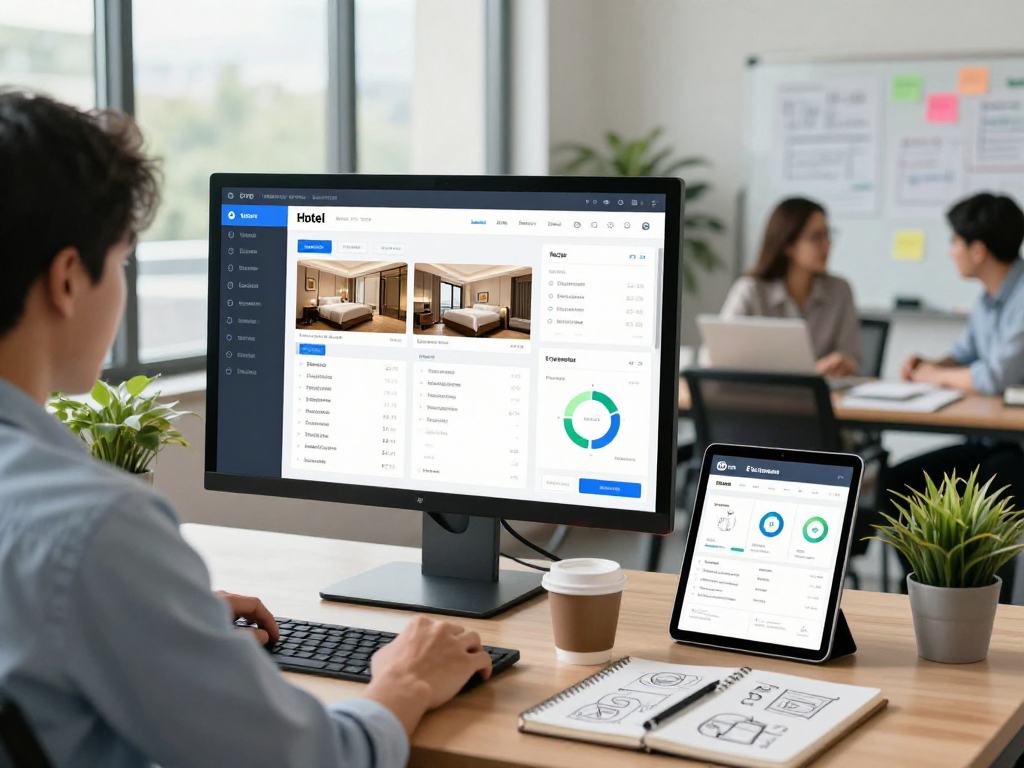
Understanding Hotel Management Software
In today's fast-paced hospitality industry, the importance of efficient management cannot be overstated. As hotels strive to enhance guest experiences and streamline operations, the role of hotel management software has become pivotal. This software encompasses a range of tools designed to automate and simplify various operations, from booking to customer relationship management.
What is Hotel Management Software?
Hotel management software (HMS) is a comprehensive solution that assists hotel operators in managing their day-to-day functions seamlessly. It integrates various processes, including reservations, front desk operations, customer service, and accounting, into one cohesive system. Through automation and real-time data analysis, these systems facilitate more efficient operations and better decision-making within the hospitality sector.
Key Features of Modern Solutions
Today's hotel management systems come equipped with a host of features tailored to meet the diverse needs of the hospitality industry. Key functionalities include:
- Reservation Management: Streamlines the booking process, allowing for real-time updates and availability tracking.
- Front Desk Operations: Simplifies check-in and check-out procedures, as well as managing guest requests.
- Billing and Invoicing: Automates billing processes, ensuring accuracy and efficiency in financial transactions.
- Customer Relationship Management (CRM): Helps hotels maintain Guest profiles and preferences, enhancing personalized service.
- Reporting and Analytics: Provides insights into occupancy rates, revenue statistics, and guest demographics to inform strategic decisions.
Benefits for Hospitality Businesses
Implementing hotel management software offers numerous benefits that can significantly impact a hotel's operational efficiency and guest satisfaction. These include:
- Enhanced Efficiency: Automation of repetitive tasks reduces manual errors and frees up staff to focus on guest services.
- Improved Customer Experience: Quick access to guest preferences allows for personalized service, resulting in higher satisfaction rates.
- Data-Driven Decisions: With robust analytics, hotels can make informed decisions regarding pricing, promotions, and staffing.
- Cost Savings: Streamlined operations can lead to reduced labor costs and increased revenue through effective upselling.
Choosing the Right Software for Your Hotel
With a plethora of options available, selecting the right hotel management software can be challenging. It's essential to consider various factors to ensure that the chosen system aligns well with your hotel's unique needs.
Factors to Consider When Selecting Software
When evaluating hotel management solutions, consider the following:
- Scalability: Choose software that can grow with your business, accommodating more rooms or properties as needed.
- Integration Capabilities: Ensure that the software can seamlessly integrate with other systems, such as accounting software and payment gateways.
- User-Friendly Interface: A simple, intuitive interface will facilitate quicker staff training and enhance overall usability.
- Customer Support: Reliable customer support is crucial for resolving issues and optimizing software use.
- Cost: Evaluate both upfront costs and ongoing operational expenses to gauge the total investment accurately.
Top Providers of Hotel Management Software
Several companies stand out in the hotel management software arena, offering well-regarded solutions. Some noteworthy providers include:
- Cloudbeds: Known for its user-friendly interface and comprehensive features that span reservations to accounting.
- RMS Cloud: Offers extensive reporting tools and customization options, making it ideal for hotels of all sizes.
- eZee Absolute: A fully integrated solution that provides robust front desk and management tools.
- Hotelogix: A cloud-based solution that facilitates management across multiple properties effectively.
Cost-Effectiveness and ROI Measurement
Understanding the cost implications of hotel management software is vital. A thorough ROI analysis should encompass both tangible and intangible benefits. Key performance indicators to track include:
- Occupancy Rates: Increased bookings post-implementation can indicate software effectiveness.
- Guest Satisfaction Scores: Monitoring customer feedback helps gauge the impact on service quality.
- Operational Costs: Analyze changes in labor and overhead costs to assess efficiency gains.
Implementation Strategies for Success
Successfully integrating hotel management software requires careful planning and execution to ensure a smooth transition and employee compliance.
Steps for a Smooth Software Integration
Follow these steps to implement software efficiently:
- Assess Current Processes: Identify existing gaps and needs that the new software should address.
- Create a Timeline: Establish a timeline for implementation that includes milestones and deadlines.
- Data Migration: Ensure that historical data is accurately transferred to the new system without loss.
- Testing: Prior to full deployment, conduct thorough testing to identify any issues.
- Launch: Go live and observe operations closely to address any unforeseen challenges promptly.
Training Staff and Ensuring Adoption
Training is key to successful software integration. Implement comprehensive training sessions that cover:
- Software Navigation: Teach staff how to navigate the system efficiently.
- Operational Procedures: Outline new workflows introduced by the software.
- Feedback Mechanisms: Encourage employees to share their experiences and any challenges faced post-implementation.
Common Pitfalls to Avoid During Implementation
Avoid these common mistakes to ensure a seamless transition:
- Insufficient Training: Underestimating the importance of training can lead to inadequate software utilization.
- Ignoring Feedback: Failing to listen to staff concerns can hinder adoption and efficiency.
- Overlooking Data Integrity: Ensure all data is cleansed and formatted correctly during migration.
Real-World Applications and Case Studies
Understanding how hotel management software has been effectively utilized can provide valuable insights into its capabilities and benefits.
Success Stories from Leading Hotels
Several prominent hotels have successfully integrated management software, resulting in transformative changes:
- Luxury Hotel X: Implemented a new HMS that increased direct bookings by 30% through improved user experience on their website.
- Resort Y: Streamlined operations and reduced check-in times by 50% after adopting an automated front desk solution.
Innovative Uses of Hotel Management Software
Beyond basic functions, hotels are leveraging HMS for:
- Personalized Marketing: Using data analytics to create tailored offers for repeat customers.
- Dynamic Pricing: Implementing algorithms that adjust room rates based on demand fluctuations in real-time.
Performance Metrics Post-Implementation
Measuring the success of implemented software can be determined through:
- Increased Revenue: Tracking revenue growth as a direct result of enhanced booking systems.
- Guest Loyalty: Analyzing repeat guest rates post-implementation.
Future Trends in Hotel Management Software
As technology continues to evolve, so will hotel management software. Staying informed about emerging trends is essential for competitive advantage.
Emerging Technologies Shaping the Industry
Several key technologies are poised to influence future developments:
- Artificial Intelligence: AI-driven analytics for better forecasting and personalized guest experiences.
- Mobile Technology: Enhanced mobile access for staff and guests for greater connectivity and efficiency.
- Cloud Computing: Increased adoption of cloud-based solutions for flexibility and scalability.
Predictions for 2026 and Beyond
The landscape of hotel management software will continue to evolve, with predictions suggesting:
- Greater Personalization: Expect systems to increasingly tailor services based on guest preferences and behavior.
- Advanced Analytics: More sophisticated data analysis tools that provide deeper insights into customer behavior and operational efficiency.
How to Stay Ahead of the Competition
To maintain a competitive edge, hotels should:
- Regularly Update Systems: Keep software current with the latest features and security enhancements.
- Invest in Continuous Training: Ensure staff is always adept at using new features and adapting to changes.
- Engage with Industry Trends: Stay informed about industry developments and be ready to pivot strategies as needed.
What are the main benefits of hotel management software?
The main benefits of hotel management software include enhanced efficiency, improved customer experience, data-driven decision-making, and cost savings through streamlined operations.
How can hotels ensure successful software implementation?
Hotels can ensure successful software implementation by planning meticulously, providing comprehensive training for staff, and actively soliciting feedback throughout the process. Avoiding common pitfalls like undertraining and ignoring employee input is crucial for adoption.
What features should I look for in hotel management software?
Key features to look for include reservation management, front desk operations, CRM systems, billing and invoicing capabilities, and robust reporting tools. Scalability and integration capabilities are also critical.
What are common challenges faced by hotels in adopting new software?
Common challenges include resistance to change from staff, inadequate training, integration issues with existing systems, and ensuring data migration accuracy.
How can hotel management software improve guest experience?
Hotel management software improves guest experience by enabling personalized services, reducing wait times through efficient check-in processes, and providing access to tailored offerings based on past preferences.