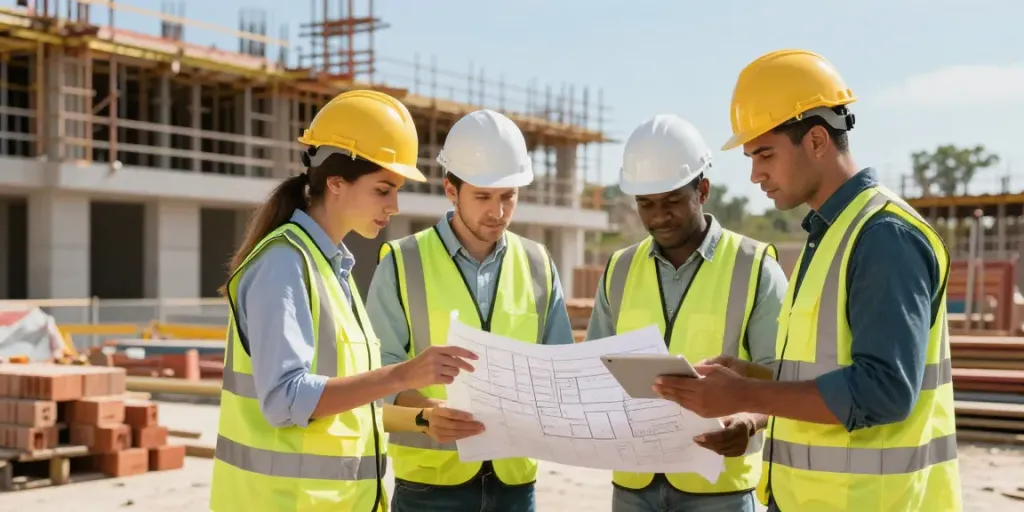
Understanding Construction Estimating Services
Construction estimating services play a crucial role in the success of construction projects, providing detailed cost assessments that inform decision-making throughout the project's lifecycle. Accurate cost estimation is not only essential for budgeting but also for ensuring financial viability, resource allocation, and timely project delivery. By leveraging expert insights and advanced estimation techniques, stakeholders can significantly enhance their project outcomes, whether they are engaged in new builds, extensions, or refurbishments. When exploring options, construction estimating services can provide comprehensive insights that cater to the unique demands of each project.
What Are Construction Estimating Services?
Construction estimating services encompass a range of activities designed to calculate the expected costs associated with a construction project. This includes detailed analyses of materials, labor, equipment, and overhead costs. Estimators utilize various methodologies and tools to develop estimates, ensuring that they reflect current market conditions and project specifications. The primary goal of these services is to provide clients—be they contractors, developers, or architects—with reliable financial forecasts that aid in planning and executing projects effectively.
Importance of Accurate Cost Estimation
Accurate cost estimation is paramount in construction, as it lays the foundation for the entire project's financial structure. Misestimations can lead to cost overruns, delayed timelines, and even project failures. Having precise cost estimates enables stakeholders to:
- Secure necessary funding and investment
- Make informed decisions regarding project scope and design
- Optimize resource allocation to avoid shortages or surplus
- Manage cash flow effectively, facilitating smoother operations
In an industry where margins can be tight, having a solid grasp on costs can be the difference between a profitable venture and a significant loss.
Common Services Offered
Construction estimating services typically include a wide array of offerings aimed at catering to the diverse needs of the construction sector. Common services include:
- Cost Estimation and Budgeting: Detailed analyses of project costs based on various factors like materials, labor, and equipment.
- Bills of Quantities: Creation of comprehensive lists detailing quantities and costs of materials and labor needed for the project.
- Project Cost Control: Monitoring and managing project expenditures to ensure they adhere to the initial budget.
- Value Engineering: Assessing the project's functions versus its costs, seeking to enhance value for the client.
- Tendering and Procurement Advice: Supporting clients in the procurement process by providing cost estimates for tender submissions.
Best Practices in Construction Estimating
Effective Techniques for Cost Estimation
To achieve accurate estimates, professionals employ several effective techniques. These techniques include:
- Bottom-Up Estimating: Involves estimating costs for individual components of a project and aggregating them for a total project cost.
- Analogous Estimating: Using historical data from similar projects to forecast costs.
- Parametric Estimating: Utilizing statistical data and formulas to project costs based on unit costs and quantities.
By carefully selecting the appropriate technique based on the project's size and complexity, estimators can enhance the reliability of their cost forecasts.
Utilising Software for Accurate Estimates
In today's tech-driven landscape, construction estimating software has become an invaluable tool for professionals. Software solutions streamline the estimation process, allowing for faster calculations and the ability to incorporate real-time data. Features such as cost databases, project templates, and integration with building information modeling (BIM) platforms significantly enhance accuracy. By utilizing such software, estimators can produce detailed reports and visualizations that facilitate clearer communication with stakeholders.
Risk Management in Estimating
Construction projects are fraught with uncertainties, which can impact budget and schedule adherence. Effective risk management within estimating involves identifying potential risks, assessing their impact, and formulating mitigation strategies. By incorporating risk assessments into the estimating process, stakeholders can prepare for potential obstacles and allocate contingency funds accordingly. This proactive approach is essential for minimizing disruptions and ensuring project success.
Challenges in Construction Cost Estimation
Common Pitfalls to Avoid
While there are widely accepted best practices in construction estimating, there are also common pitfalls that can jeopardize the accuracy of estimates. Some challenges include:
- Inadequate Scope Definition: Failing to capture all aspects of a project can lead to significant cost overruns.
- Ignoring Market Fluctuations: Construction costs can vary due to market conditions; ignoring these fluctuations can result in outdated estimates.
- Not Engaging Stakeholders: Failing to involve key stakeholders can lead to misaligned expectations and discrepancies in project understanding.
Recognizing and addressing these challenges early in the estimating process is vital for avoiding costly errors.
Managing Unforeseen Costs
Construction projects often encounter unexpected costs that can disrupt budgets. Effective strategies for managing unforeseen expenses include building contingency allowances into the budget, regular financial forecasts, and keeping lines of communication open with all stakeholders. This flexibility can help mitigate the impact of surprises and ensure continuity in project planning.
Understanding Client Needs
To produce accurate estimates, it is crucial to have a thorough understanding of the client's needs and objectives. This involves not only comprehending the project's technical specifications but also grasping the client's budgetary limitations and desired outcomes. Building strong relationships with clients through regular updates and feedback can foster a collaborative environment that ultimately leads to more accurate estimates.
Real-World Applications of Estimating Services
Case Studies of Successful Projects
Real-world case studies provide valuable insights into the effectiveness of construction estimating services. For instance, a recent residential project in Manchester utilized comprehensive estimating services that included detailed bills of quantities and regular cost updates. This approach allowed the contractor to stay within budget and complete the project on time, demonstrating the tangible benefits of thorough cost planning.
Impact on Overall Project Budgeting
The impact of accurate estimating on project budgeting cannot be overstated. With well-prepared estimates, stakeholders can ensure that all costs are accounted for, preventing budget shortfalls and facilitating smoother approvals for funding. Furthermore, accurate budgeting based on precise estimates allows for more strategic investment decisions, leading to overall project success.
Utilising Estimating for Competitive Advantage
In a competitive construction market, accurate estimating can provide a significant advantage. Companies that excel in cost estimation can offer more competitive pricing, which can help win tenders and secure contracts. Furthermore, showcasing proven case studies of successful projects can bolster a firm's reputation and attract new clients looking for reliable partners.
Future Trends in Construction Estimating Services
Emerging Technologies in Estimating
The construction industry is on the brink of transformation, driven by technology and innovation. Emerging technologies such as artificial intelligence (AI), machine learning, and predictive analytics are set to revolutionize estimation practices. These technologies will allow estimators to analyze vast amounts of data quickly, leading to even more accurate forecasts and automated reporting.
Forecasting Market Changes in 2026
As we look ahead to 2026, construction estimating services will need to adapt to ongoing economic shifts and evolving industry demands. With a growing emphasis on sustainability and efficient resource use, estimators must also account for changes in material availability and pricing influenced by environmental policies and market trends. Staying ahead of these changes will be crucial for success.
Preparing for Sustainability Demands
Given the increasing importance of sustainability in the construction sector, estimators should prepare to incorporate eco-friendly materials and practices into their cost assessments. This may involve evaluating the long-term cost benefits of sustainable options and providing clients with comprehensive analyses that reflect not only immediate costs but also potential savings from energy-efficient designs and materials. As sustainability becomes a defining factor in construction, those who are adept at integrating these considerations into their estimating services will hold a competitive edge.