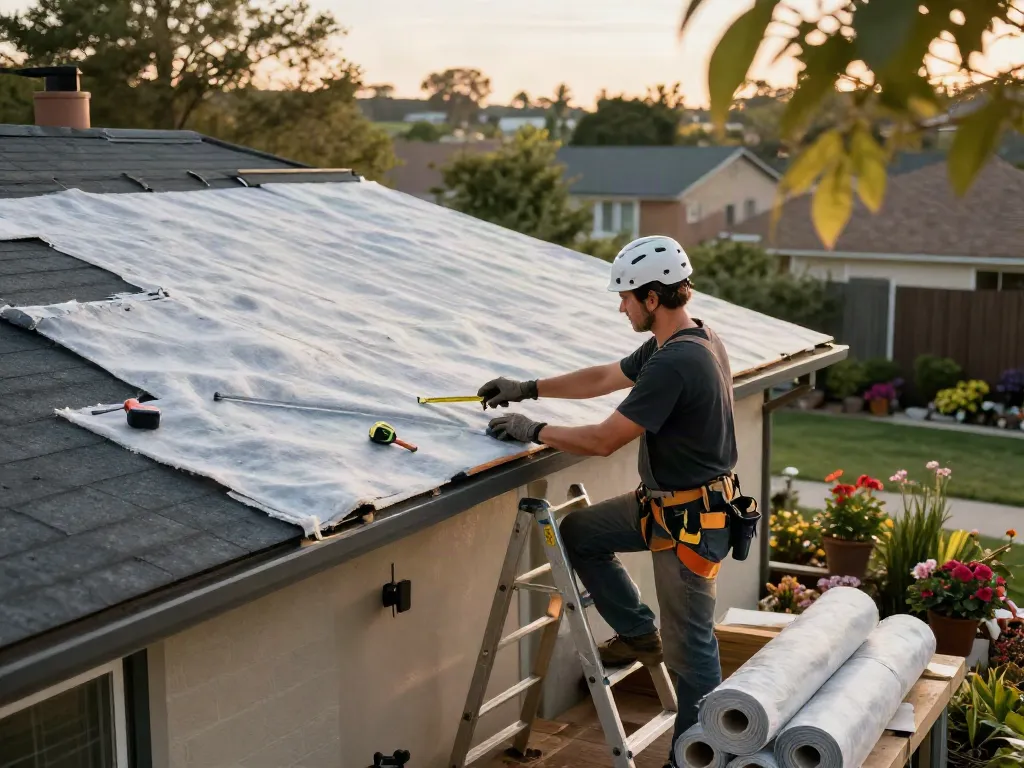
Understanding Felt Roofing
Felt roofing is a versatile and durable roofing solution widely used across residential and commercial properties. Known for its affordability and efficient waterproofing capabilities, felt roofing has gained traction among homeowners and contractors alike. As we explore this material, it’s essential to understand its applications, benefits, and maintenance practices to ensure optimal performance and longevity. When exploring options, felt roofing provides comprehensive insights into how to find reliable specialists who can assist with installation and maintenance.
What is Felt Roofing?
Felt roofing consists of felt material, typically made from bitumen or rubberized asphalt, that is applied in sheets or rolls to create a waterproof barrier over flat or low-sloped roofs. This type of roofing can come in different forms, including traditional felt, rubberized felt, or fiberglass-based systems, each with specific properties suited for various roofing conditions. Its application involves layering, where multiple sheets are typically overlapped and adhered to the roof surface, ensuring enhanced durability and waterproofing.
Common Applications of Felt Roofing
Felt roofing is commonly utilized in various structures, including:
- Garages
- Sheds
- Flat-roof extensions
- Porches
- Commercial buildings
- Residential homes
Its adaptability makes it suitable not only for new constructions but also for refurbishments, allowing for easier installation over existing structures.
Benefits of Using Felt Roofing
One of the primary advantages of felt roofing is its cost-effectiveness compared to other roofing materials. In addition, felt roofing offers:
- Waterproofing: Provides an effective barrier against rain and moisture.
- Durability: Resistant to UV rays and temperature fluctuations, enhancing longevity.
- Ease of Installation: Lightweight and easy to apply, reducing labor costs and time.
- Low Maintenance: Requires minimal upkeep, making it ideal for busy homeowners.
Finding Trusted Felt Roofing Specialists
Securing the right professionals for your felt roofing project is crucial to ensuring quality work. A reliable roofer can make a significant difference in the durability and performance of the roofing system.
How to Choose a Reliable Roofer
When searching for a roofing specialist, consider the following criteria:
- Experience: Look for contractors with a solid track record in felt roofing.
- References: Ask for testimonials or case studies from previous clients.
- Insurance: Ensure they carry liability insurance to protect you against accidents or damages.
Importance of Contractor References
References provide firsthand insight into a contractor's workmanship and professionalism. When you contact previous clients, inquire about their overall satisfaction, the project's timeline, and how the contractor handled any issues that arose during the process. This information can help you gauge whether a particular roofer is the right fit for your needs.
Checking Insurance and Credentials
Before hiring a roofer, it is essential to confirm that they have the appropriate insurance coverage. This includes liability insurance, which protects you from financial repercussions in the event of accidents during the roofing project. Additionally, verify that the contractor has any necessary licenses or certifications required to operate in your area.
Maintaining Your Felt Roof
Regular maintenance is essential to prolonging the life of your felt roofing. Neglecting this aspect can lead to minor issues developing into costly repairs.
Signs Your Roof Needs Repairs
Keep an eye out for the following indicators that your felt roof may require maintenance or repairs:
- Visible leaks or water stains on interior ceilings.
- Bubbles, blisters, or cracks in the felt surface.
- Pooling water on the roof after rain.
Regular Maintenance Tips
To ensure the longevity of your felt roof, consider the following maintenance practices:
- Conduct regular inspections, especially after severe weather.
- Keep gutters and drainage systems clear to prevent water buildup.
- Address minor repairs immediately to avert more extensive damage.
Common Mistakes to Avoid
Avoid these common pitfalls for optimal roof maintenance:
- Neglecting to inspect the roof or perform regular maintenance tasks.
- Hiring unqualified contractors who lack experience with felt roofing.
- Ignoring signs of damage or leaks, which can lead to significant structural issues.
Modern Innovations in Felt Roofing
Innovation in felt roofing technology has led to improved materials and installation techniques, which can greatly enhance the performance of your roofing system.
Advancements in Roofing Materials
Modern felt roofing often utilizes reinforced materials that provide enhanced durability and weather resistance, including:
- High-performance bitumen felt, which is more resistant to tears and UV degradation.
- EPDM rubber roofing, which offers excellent waterproofing and flexibility.
- Fiberglass-based systems that enhance strength without sacrificing weight.
The Role of Insulation in Roofing Solutions
Insulation plays a critical role in modern felt roofing solutions, especially for reducing energy costs and improving indoor comfort. Proper insulation can:
- Minimize heat loss in winter and heat gain in summer.
- Increase the overall energy efficiency of the building.
- Contribute to a lower carbon footprint, which is increasingly important for modern constructions.
Sustainable Practices in Felt Roofing
Sustainability is becoming a crucial concern for homeowners and builders. Many modern felt roofing materials are designed with eco-friendly principles in mind, providing longer-lasting solutions that require fewer resources for manufacturing. Options include:
- Recyclable roofing materials that contribute to reduced landfill waste.
- Sustainable sourcing practices for raw materials used in felt roofing production.
Comparing Felt Roofing Quotes
Obtaining multiple quotes is an essential step in securing the best value for your roofing project. It allows you to compare services, materials, and prices from different contractors.
Benefits of Getting Multiple Quotes
Some advantages of obtaining several quotes include:
- Understanding the average market cost for your specific roofing needs.
- Identifying different recommendations and approaches to your roofing project.
- Gaining leverage in negotiations with contractors by having comparative data.
Understanding Pricing and Services Offered
When evaluating quotes, ensure you understand what each fee covers, including:
- Labor costs for installation or repairs.
- Materials and their durability ratings.
- Warranty terms and conditions.
What to Look for in a Written Quote
A thorough written quote should include:
- A detailed description of the work to be performed.
- The materials to be used and their specifications.
- The total estimated price, including any potential extra costs.
- Expected project timeline and payment terms.
What are the advantages of felt roofing compared to other materials?
Felt roofing offers a cost-effective solution that is lightweight, easy to install, and highly adaptable, making it suitable for various applications. Its waterproofing capabilities are superior compared to some other materials like traditional shingles or tiles, especially in flat roof applications.
How long can I expect my felt roof to last?
With proper installation and regular maintenance, felt roofing can last between 10 to 20 years, depending on the quality of materials used and local weather conditions. Investing in higher quality materials and professional installation can significantly prolong the lifespan of your roofing system.
What should I do if I notice a leak in my felt roof?
Immediately address any leaks by contacting a professional roofer. Delay in repairs can lead to more extensive structural damage. It's advisable to use a temporary cover, such as tarpaulin, until a contractor can assess the situation.
How do I choose the right roofing contractor?
To select the right contractor, evaluate their experience, check for valid insurance and licenses, read customer reviews, and request multiple quotes to compare services and pricing.
Is felt roofing suitable for all types of buildings?
Felt roofing is ideal for flat and low-sloped roofs, making it suitable for many residential and commercial buildings. However, for pitched roofs, other materials may offer superior effectiveness.