
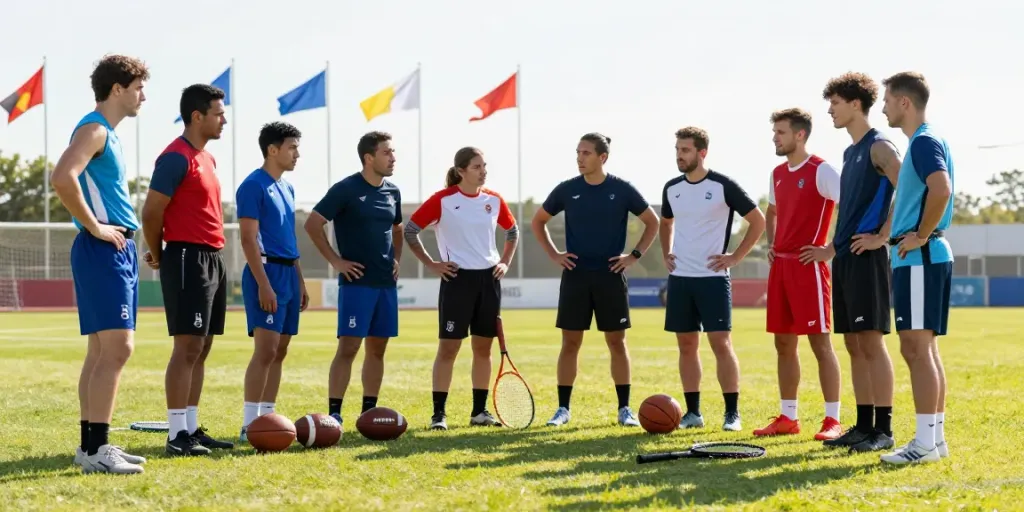
Understanding "He Said" in Team Dynamics
In the world of team sports, communication stands as a pivotal element that can dictate the success or failure of a team. The phrase "he said" often symbolizes not just words spoken, but the underlying strategies and dynamics that flow within a group. Whether it's in the locker room or during a critical game, the way team members communicate can significantly affect their performance and cohesion. By understanding the nuances behind “he said,” teams can develop stronger strategies and create a more collaborative environment.
When exploring options, he said can provide comprehensive insights into the dynamics of team communication, showing how individual contributions meld into a collective effort.
The Role of Communication in Sports
Effective communication is the backbone of any successful sports team. Coaches and players must relay strategies, feedback, and motivation in a manner that resonates with each team member. Miscommunication, or a lack of communication, can lead to misunderstandings and failures on the field. For instance, during a critical moment in a game, if a player misinterprets their teammate's signals, it can result in lost opportunities and even defeat. Thus, the role of “he said” becomes crucial in establishing clear directives and fostering an environment where everyone is on the same page.
How "He Said" Impacts Team Strategies
Every conversation within a team has the potential to shape strategies and influence outcomes. When a team captain confidently states, "he said we need to adjust our formation," it can evoke critical thinking and quick adaptations among players. This kind of dialogue not only reinforces tactical awareness but also promotes a sense of trust and accountability. Teams that effectively utilize phrases like “he said” create a culture where members feel heard and valued, which can enhance overall performance.
Common Misconceptions Around Communication
There are several misconceptions surrounding communication within teams. A prevalent belief is that communication is predominantly a top-down approach where instructions flow from coaches to players. However, modern sports teams thrive on a two-way communication model. Players often have valuable insights that can complement a coach's vision. The phrase “he said” can act as a bridge between these two perspectives, ensuring that all voices contribute to the team’s strategy.
Best Practices for Effective Team Communication
To foster an environment where “he said” thrives, teams must adopt best practices that prioritize open dialogue and clear messaging. This includes structured training sessions focused on enhancing communication skills and awareness.
Utilizing "He Said" in Training Sessions
Incorporating role-playing scenarios or simulation drills where players must respond to “he said” scenarios can improve real-time decision-making and foster quick thinking. Training sessions that emphasize situational awareness can prepare players for the unpredictability of live competition. This practice not only reinforces strategies but also builds camaraderie among teammates.
Encouraging Open Dialogue Among Players
Encouraging players to speak up and share their thoughts fosters a more inclusive environment. Regular team meetings that welcome input from all members can break down barriers and promote mutual respect. By emphasizing that every opinion matters, teams can cultivate a culture of collaboration where “he said” becomes synonymous with respect and acknowledgment.
Case Studies of Successful Teams
Examining successful teams that have embraced effective communication strategies can provide invaluable insights. For example, the Golden State Warriors have often credited their open communication style for their remarkable teamwork and synergy on the court. Their players regularly engage in discussions about game strategies, ensuring that everyone is aligned and contributing to the team's objectives. Such case studies underscore the importance of “he said” as a facilitator of successful outcomes.
Implementing Strategies from "He Said"
Effective strategies can only be established through a systematic approach to team communication. Here’s how teams can implement insights garnered from “he said” discussions into actionable strategies.
Step-by-Step Approach to Effective Strategy Development
- Assess Communication Styles: Identify the preferred communication styles within the team to tailor interactions effectively.
- Set Clear Objectives: Establish clear communication goals that align with the team's mission and objectives.
- Facilitate Training: Regularly conduct training focused on communication skills, including verbal and non-verbal cues.
- Solicit Feedback: Encourage players to provide feedback on communication practices and adapt accordingly.
Creating a Culture of Feedback
A continuous feedback culture will reinforce the value of “he said” in the team. Constructive criticism, when delivered effectively, can help players grow and learn from each other. Encouraging feedback helps in developing trust and can be instrumental in improving both individual and team performance.
Measuring the Impact of Communication Techniques
To understand how communication affects performance, teams should monitor key performance indicators (KPIs) related to communication. Metrics such as successful plays initiated through collaborative dialogues or reduced miscommunications during games can provide tangible evidence of improvement. By measuring these impacts, teams can refine their communication strategies further.
Future Trends in Team Communication
As technology continues to advance, the future of team communication in sports will evolve, presenting new challenges and opportunities.
Emerging Technologies Enhancing "He Said"
Technological advancements such as augmented reality (AR) and virtual reality (VR) are starting to reshape how teams communicate and strategize. Teams can now use these technologies for immersive training experiences, allowing players to practice scenarios in real-time. This not only enhances understanding but also integrates the concept of “he said” into a more interactive framework.
Predictions for 2026 Team Dynamics
By 2026, it is anticipated that team dynamics will be increasingly influenced by data-driven decision-making. Real-time analytics and AI-enhanced communication tools could provide instant feedback and insights, allowing teams to adjust strategies on the fly. The integration of these technologies will likely further emphasize the importance of clear communication, particularly the significance of "he said" in the relay of information.
Expert Insights on Evolving Communication Styles
Experts suggest that as teams become more diverse, communication styles will need to adapt accordingly. Emphasizing emotional intelligence and cultural sensitivity in training will become critical for fostering an inclusive environment where “he said” reflects a range of perspectives and experiences. This evolution will be essential for harnessing the full potential of every team member.
Frequently Asked Questions about Team Communication
What are the key benefits of "he said" in sports?
The key benefits include improved clarity in communication, enhanced team trust, and a stronger collaborative ethos. When team members understand each other's perspectives, they can work more effectively towards common goals.
How can teams improve their communication strategies?
Teams can improve their communication strategies by fostering an open dialogue, utilizing technology for enhanced interaction, and regularly assessing communication effectiveness through feedback and performance metrics.
Are there effective tools for better communication in sports?
Yes, tools such as communication apps, video conferencing platforms, and training software can facilitate better communication among team members, ensuring alignment and collaboration, even in remote settings.
What does current research say about communication in teams?
Current research underscores the significance of emotional intelligence and active listening as critical components of effective communication. Studies show that teams with high emotional intelligence tend to outperform their peers due to better collaboration and conflict resolution skills.
How can "he said" transform team performance?
By incorporating clear communication practices represented by “he said,” teams can reduce misunderstandings, enhance strategy execution, and build trust among players. This transformation leads to improved performance both on and off the field.